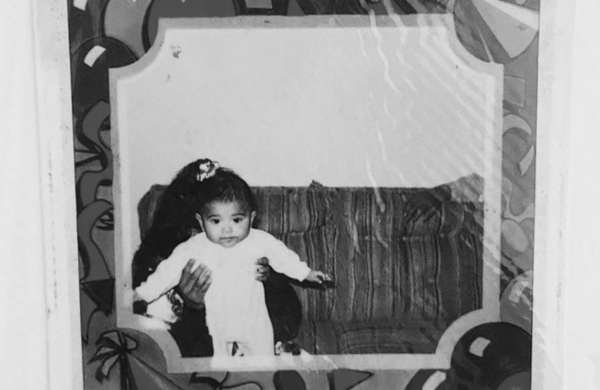
“Helping to understand how a former foster youth can become stuck in survival mode, even after aging out of the system.”
As a young child. I never knew there was an alternative to experiencing abuse. I always assumed that there are kids with beds, food, and kind parents, and then there are kids like me. Having never known foster care was something that existed, I always thought you were just sentenced to cope with your reality regardless of how fair it seemed. I accepted this truth before I even aged into double digits. My young childhood was riddled with consistent visits from police officers, roaches crawling over my body as I slept on the floor, and panhandling for change so that I could get a meal. Then I turned twelve.
They’re Going to Take You Away From Me.
“You’re going to regret this!” My dad screamed to me as he was forced down the stairs of our apartment building by the police officers. They were always called to our apartment unit, but this time was different. This time I made the call. I left the situation I thought I had taken care of to go spend time with a friend, but not even an hour went by and the police had come back, this time for me. They took me to the police station where I met with my mom, and we were sat in a small room guarded by an officer we hadn’t seen before. I tried to keep a stiff upper lip and show only strength, but my mom laid her head on my shoulder and sobbed. “They’re going to take you away from me,” she kept repeating.
“Stop crying, no they’re not,” I replied irritably. I wanted her to comfort me, not the other way around, as it had always been. I assumed my familiar role, though, and let her continue to cry. Hours went by, and eventually, to my utter surprise, the decision to remove me from my home and place me in foster care was made, and there was nothing I could do about it. My mom threw her arms around me, screaming, and I stood silent – frozen. The police and the social worker took me out a different way as my mom was held back. I didn’t even get to say goodbye.
Survival Mode Activated
My first foster home was a Spanish-speaking household, but I didn’t speak Spanish, so I had to rely on the foster mother’s son to translate for me whenever she had something to say. It was terrifying being ripped from my own idea of normal and tossed into an entirely new situation where I couldn’t even communicate to anyone properly. My second foster home seemed like it was going to be a good place, and I was confident my mom would get me back. Everything seemed to be falling into place, I thought. Then, I found the search history and pictures on my foster dad’s phone and started to notice all of his secretive actions and behaviors around my non-verbal autistic foster sister. When I brought this up to my foster mom, she said that it was normal for men to act the way he acted, and eventually they kicked me out because I wouldn’t comply with their lifestyle.
My third foster home was overcrowded, and I often had to give up my bed for a new girl. There were pincher bugs, expired food, rats, and we were allowed to go wherever and do whatever regardless of what the courts had ordered the foster parents to do. Girls were constantly going missing and the home was constantly investigated, but nothing ever came of it all. We truly were just numbers in this home, dollar signs even. My fourth foster home’s family wanted to live a separate, clean life away from the foster children they took in. We had a separate area of the house, separate times we were allowed in the kitchen, separate dishes that needed to be bleached after each use, and we were absolutely forbidden from straying from any of these extreme boundaries. When our bathroom flooded and needed professional fixing, instead of using the other two spare bathrooms we were told to walk a couple of miles up the hill to shower and use the restrooms at the community pool. My fifth foster home was my final foster home.
Adoption Seemed like the Best Route
I moved into my fifth foster home when I was fourteen, and the plan was for them to adopt me. My mom failed to do her classes and drug tests and ended up getting arrested and losing her ability to get me back when I was in my third and fourth foster homes. Social workers had reached out to all my biological family members to see if anyone wanted to take me in, but it seemed that no one wanted to take on the responsibility of the child my mom had after up and leaving her other three. So, adoption seemed like the best route to take. After a little over a year of living in this home, I was officially adopted. Unfortunately, it was also when my panic disorder was first diagnosed and my mental health started to rapidly deplete. With easily triggered PTSD, Panic Disorder, and self-harm issues, I was very suddenly far more than the family could handle. After getting arrested for shoplifting, an action that made me feel something other than pain and conflict, they decided I was too much, and asked me to leave their home.
Moving on in Survival Mode, Alone
So at seventeen I was working, on probation, and trying to finish high school, all on my own. It had felt like I was never on the same timeline as my peers, always having to be in survival mode. I craved normalcy so often but was only ever met with a lack of security. Years later, I still get calls from investigators who have questions about my third foster home. My adoptive mother met with me and admitted that she was “in over her head” in regards to deciding to take me in. My parents and biological family have remained the same. I, on the other hand, have consistent nightmares and struggle with the feeling of normalcy I once craved so desperately.
Having to be in survival mode my entire life, from being beaten as a child to being kicked out of an adoptive home I thought would be my new “forever,” it’s no wonder I have a hard time accepting calm over chaos. With all of that being said, it’s safe to conclude that one thing is for certain when you’re so used to simply surviving, normal doesn’t feel normal, and everything presents itself as a possible threat, even in adulthood. Foster youth and adoptees struggle in adulthood because of the lack of consistent safety and repetitively they should have received as children. Because of this, it’s important to ensure that former foster youth and adoptees have and are aware of the ample resources available to them as they enter adulthood because that support doesn’t come automatically for them as it may for their peers. I know this all too well!
Letter From Inspiring Hope to You,
Dear Jessica,
Goodness Love, I am so honored that you shared your story and truth with me and this collective. Every moment of this journey should have been met with kindness and care. My heart aches for the lack of justice and protection in your story. The survival mode you have walked in for the majority of your life isn’t fair, and I truly hope this current season of your life is met with healing and compassion. So many in our society do not understand the complexities and challenges foster youth face being in the system so long. The mindsets, fears and trauma are like mounting barriers to living a life that mirrors the youth of today that know so little of what you have walked through. While I truly wish different for you, I am grateful that you are brave enough to use your voice and allow us to learn how to do better. Sending so much love your way.
You can follow Jessica on Instagram @Jrosewritesalot and her book “Trash Bag of Memories” https://www.amazon.com/Trash-Bag-Memories-Jessica-Castillo-ebook/dp/B09HWWN7NN/ref=mp_s_a_1_3?dchild=1&keywords=trash+bag+of+memories+book&qid=1634619363&sr=8-3
This collective is in partnership with the social enterprise hopeandvine.org; An employment and mentoring program for aged out young women in Wake Forrest, NC.